Showing posts with label germs. Show all posts

Monday, November 24, 2014

10 occupations that are bad for your lungs - Part 1

Our lungs work hard for all of us - but
some occupations are worse than others.
Your lungs work hard. Most adults take more than 20,000 breaths a day. But just how well your lungs do their job may be affected by the job you do.

Chemicals. Germs. Tobacco smoke and dirt. Fibers, dust, and even things you might not think are dangerous can damage your airway and threaten your lungs.

"The lungs are complex organs," says Philip Harber, MD, MPH, professor of public health at the University of Arizona in Tucson. "Occupational and environmental exposures can lead to scarring or fibrosis, asthma, COPD, and infection or cancer."

The good news: Many on-the-job lung dangers are preventable. Depending on your line of work, making certain changes can be key: Improve ventilation, wear protective equipment, change the way you do your work, and learn more about hazards, for examples.

Here are 10 jobs where precautions may help you avoid work-related lung damage.

1. Bartending and Waitressing

Secondhand smoke has been linked to lung cancer. It remains a threat to workers in cities where smoking hasn't been banned in public places. Casino workers also can find themselves in a cloud of smoke.
Smoky environments put bartenders and
waiting staff at risk for lung disease. 

No one's going to wear a respirator while serving martinis or dealing a blackjack game. Separating smokers from nonsmokers, cleaning the air, and ventilating buildings won't keep nonsmokers from being exposed.

Short of working to change policy, the best solution may be to find another job.

"Unfortunately, the individual worker has limited options," says Susanna Von Essen, MD. She's a University of Nebraska Medical Center professor of internal medicine in the division of pulmonary, critical care, sleep, and allergy.

2. Housekeeping and Cleaning

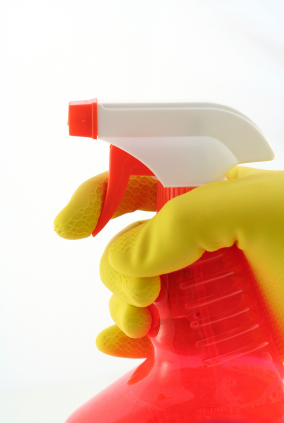
Some cleaning supplies, even so-called "green" or "natural" products, have harmful chemicals that have been linked with developing asthma.

"Cleaners are reactive chemicals, meaning that they react with dirt and also with your lung tissues," Von Essen says.

Some release volatile organic compounds, which can contribute to chronic respiratory problems and allergic reactions. Read labels and follow instructions.

Consider using "simple cleaning agents like vinegar and water or baking soda," Von Essen says. Open windows and doors to keep the area well ventilated, too.

3. Health Care

Doctors, nurses, and other people who work in hospitals, medical offices, or nursing homes are at increased risk for lung diseases such as tuberculosis, influenza, and severe acute respiratory syndrome (SARS).
Health care workers are at risk: Experts

So, health care workers should keep up with immunizations (including the flu vaccine) that the CDC recommends for them.

Health care workers may also develop asthma if latex is used in gloves or other supplies. Latex-free synthetic gloves are an alternative.

4. Hair Styling

Certain hair-coloring agents can lead to occupational asthma. Some salon hair-straightening products contain formaldehyde, a known carcinogen. It's also a strong eye, nose, throat, and lung irritant.

Good ventilation is important. Because wearing a respirator might cause appointments to cancel, know what's in the products you're working with. If they're not safe, find a safer product.

5. Manufacturing

Some factory workers risk getting asthma or making their existing asthma worse. Asthma not caused by work but made worse by it affects as many as 25% of adults with asthma, Harber says.

Factory workers can be exposed to everything from inhaled metals in foundries to silica or fine sand, which can lead to silicosis, a disease that scars the lung, or increased risk of lung cancer.

A lung disorder called "popcorn lung," or bronchiolitis obliterans, has been seen in plant workers exposed to some of the flavoring chemicals used to make microwave popcorn. Again, respirators and proper ventilation are key for those workers. (No risk of "popcorn lung" has been seen in people who eat that popcorn.)

Source: WebMD

Concerned about poor indoor air quality at work? Electrocorp offers dependable, affordable and portable air cleaners with the right air filters to remove dangerous indoor air pollutants. Contact Electrocorp for more information and options.

Tuesday, December 10, 2013

How to avoid germs at the gym

Cleaning gym equipment and personal
items can help keep germs at bay - but
make sure to retain good IAQ.
Wiping down equipment after using it helps reduce exposure to germs, but there are many other hot spots for germs in the gym. Gym-goers and gym staff can help reduce risks.

Wear flip-flops in the shower
Floors in the gym’s shower stalls are germ central. If you’re standing in the stall barefoot and have even the smallest cut in your skin, you can easily introduce a fungus and end up with an infection such as athlete’s foot. Wear flip-flops in the shower so your feet are never in direct contact with the floor. That goes for the floors in the changing room and sauna, too, since a fungal infection can happen anywhere when you’re barefoot.

Drink water from a reusable bottle
Norovirus is a highly contagious intestinal virus that can easily be spread via a communal water fountain. Fellow gym-goers might hit the fountain’s spout with their mouths – and some may even spit in it. Bringing a reusable water bottle (preferably that you’ve filled at home) is a practical solution that keeps you from having to use the public fountain. Also be wary of constantly opening and closing the bottle – you’ll transfer germs from your hands to the bottle, and ultimately, your mouth. Choose a bottle that has a spout you can easily pull open with your mouth instead of your hands.

Regularly disinfect your gym bag
Your gym bag is an item you likely toss around in various places – your car, the change room, or even the floor of a public washroom – without giving it a second thought. Unfortunately, that means you’re increasing your risk of coming into contact with germs. Keep a bottle of disinfectant spray in your car or gym bag that you can use to spritz the bag’s surface before bringing it into the house.

Bring your own workout mat
When using a communal mat during yoga or barefoot workout routines, there is, once again, a risk of contracting a fungal infection. The best option is to bring your own yoga or workout mat and make sure to clean it regularly. If you’re going to use a mat provided by the gym, sanitize it with an antibacterial wipe or hand gel and place a clean towel on top of it. Alternatively, you can purchase non-slip socks or shoes specifically designed for yoga so you don’t have to work out with bare feet.

Keep your distance
Crowded fitness classes make it easy to inhale germs – particularly influenza. As a method of defence, you might want to consider getting the flu shot. You can also try to keep a reasonable distance (for example, two arm lengths) between yourself and anyone with a cough, as they are likely contagious. When heading for the cardio equipment during non-peak periods, choose a machine that’s not right beside someone else.

Wash your hands regularly
Wash your hands thoroughly with soap and water, or use an antibacterial hand gel before and after class. Regular hand washing is a habit worth developing year-round, but particularly important during flu season. Doing so prevents you from bringing germs into the gym, or leaving the gym with germs you may have come in contact with there.

Avoid touching your face
From using free weights to touching the buttons on the cardio machines, your hands are likely the part of your body that have been in contact with germs the most during your gym workout. Try not to touch your face, since germs you come in contact with can wind up in the openings of your nose, ears and mouth. Make sure to have a clean towel with you so you can wipe sweat away from your face without having to use your bare hands.  
Source: Best Health Mag

Use mobile air cleaners to remove bacteria, viruses and smells
A portable air purifier with a deep-bed activated carbon filter and a HEPA filter, plus UV germicidal filtration will provide the best all-around protection from germs, airborne chemicals, allergens and other contaminants. The air cleaners offered by Electrocorp are designed for 24/7-operation at a low setting, cleaning the air continuously and efficiently. For best results, consult with one of Electrocorp's IAQ specialists to find out which air purifier is best suited to your space. Call 1-866-667-0297.