Showing posts with label gyms. Show all posts

Tuesday, December 10, 2013

How to avoid germs at the gym

Cleaning gym equipment and personal
items can help keep germs at bay - but
make sure to retain good IAQ.
Wiping down equipment after using it helps reduce exposure to germs, but there are many other hot spots for germs in the gym. Gym-goers and gym staff can help reduce risks.

Wear flip-flops in the shower
Floors in the gym’s shower stalls are germ central. If you’re standing in the stall barefoot and have even the smallest cut in your skin, you can easily introduce a fungus and end up with an infection such as athlete’s foot. Wear flip-flops in the shower so your feet are never in direct contact with the floor. That goes for the floors in the changing room and sauna, too, since a fungal infection can happen anywhere when you’re barefoot.

Drink water from a reusable bottle
Norovirus is a highly contagious intestinal virus that can easily be spread via a communal water fountain. Fellow gym-goers might hit the fountain’s spout with their mouths – and some may even spit in it. Bringing a reusable water bottle (preferably that you’ve filled at home) is a practical solution that keeps you from having to use the public fountain. Also be wary of constantly opening and closing the bottle – you’ll transfer germs from your hands to the bottle, and ultimately, your mouth. Choose a bottle that has a spout you can easily pull open with your mouth instead of your hands.

Regularly disinfect your gym bag
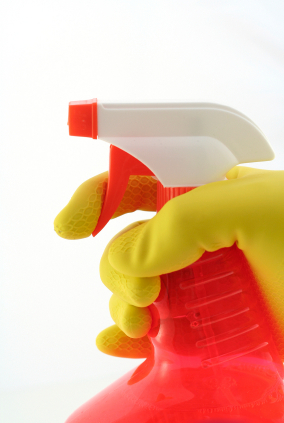
Your gym bag is an item you likely toss around in various places – your car, the change room, or even the floor of a public washroom – without giving it a second thought. Unfortunately, that means you’re increasing your risk of coming into contact with germs. Keep a bottle of disinfectant spray in your car or gym bag that you can use to spritz the bag’s surface before bringing it into the house.

Bring your own workout mat
When using a communal mat during yoga or barefoot workout routines, there is, once again, a risk of contracting a fungal infection. The best option is to bring your own yoga or workout mat and make sure to clean it regularly. If you’re going to use a mat provided by the gym, sanitize it with an antibacterial wipe or hand gel and place a clean towel on top of it. Alternatively, you can purchase non-slip socks or shoes specifically designed for yoga so you don’t have to work out with bare feet.

Keep your distance
Crowded fitness classes make it easy to inhale germs – particularly influenza. As a method of defence, you might want to consider getting the flu shot. You can also try to keep a reasonable distance (for example, two arm lengths) between yourself and anyone with a cough, as they are likely contagious. When heading for the cardio equipment during non-peak periods, choose a machine that’s not right beside someone else.

Wash your hands regularly
Wash your hands thoroughly with soap and water, or use an antibacterial hand gel before and after class. Regular hand washing is a habit worth developing year-round, but particularly important during flu season. Doing so prevents you from bringing germs into the gym, or leaving the gym with germs you may have come in contact with there.

Avoid touching your face
From using free weights to touching the buttons on the cardio machines, your hands are likely the part of your body that have been in contact with germs the most during your gym workout. Try not to touch your face, since germs you come in contact with can wind up in the openings of your nose, ears and mouth. Make sure to have a clean towel with you so you can wipe sweat away from your face without having to use your bare hands.  
Source: Best Health Mag

Use mobile air cleaners to remove bacteria, viruses and smells
A portable air purifier with a deep-bed activated carbon filter and a HEPA filter, plus UV germicidal filtration will provide the best all-around protection from germs, airborne chemicals, allergens and other contaminants. The air cleaners offered by Electrocorp are designed for 24/7-operation at a low setting, cleaning the air continuously and efficiently. For best results, consult with one of Electrocorp's IAQ specialists to find out which air purifier is best suited to your space. Call 1-866-667-0297.

Tuesday, November 19, 2013

Gymnasts face high exposure to flame retardants: Study

The foam used in gym equipment may
expose users to chemicals, study says.
Photo by Idea Go/FreeDigitalPhotos.net
Competitive gymnasts have a higher exposure to potentially harmful flame-retardants than the general population, likely because such contaminants are present in foam used in gym equipment, a study led by Boston University School of Public Health researchers has found.

The study, published online in the journal Environmental Science and Technology, found that the average concentration of a flame-retardant known as PentaBDE in gymnasts' blood sera was 4 to 6.5 times higher than in general U.S. population groups.

Median concentrations of PentaBDE and related contaminants in hand-wipe samples from the gymnasts were 2 to 3 times higher after their practice, compared to before, indicating that the gymnasts contacted the flame-retardants during practice.

Concentrations of the flame-retardants were much higher in gym air and dust than in comparison residences where they are used in foam-containing furniture. Flame-retardants escape from polyurethane foam over time and accumulate in the air and dust of indoor environments.

"Despite the U.S. phase-out of PentaBDE production nearly a decade ago, large amounts are still in use," the research team said.

Further, replacement flame-retardants are being used in newly manufactured foam pit cubes and landing mats, "suggesting the potential for increasing exposure to these compounds, as older gym equipment is replaced. Additional research is needed to confirm these findings and improve our understanding of gymnast exposures."

The researchers suggested that the risks of ingesting flame-retardants, through dust and contact, could be reduced by hand-washing after practice and before eating.

Study focused on exposure, not health effects

While the study did not examine health effects, previous research has suggested that PentaBDE may affect brain development in children and fertility in women, although results are preliminary and warrant further study.

Almost all Americans have detectable levels of PentaBDE in their bodies, due to both exposure in the indoor environment and diet.

PentaBDE congeners are endocrine disruptors that have been associated with changes in thyroid hormones in several epidemiologic studies.

Due to concerns about its persistence and toxicity, PentaBDE was banned in the European Union in 2004 and phased-out of production in the U.S in 2005, although foam products containing it are still in use.

Restrictions on the use of PentaBDEs have resulted in the increased use of other flame-retardants, such as tris (1,3-dichloro-2-propyl) phosphate (TDCPP) and Firemaster 550.

The research team recruited 11 collegiate female gymnasts, ages 18−22, from one gym and collected hand-wipe and blood samples from them after a gymnastics practice, which lasted about 2 ½ hours. They also measured concentrations of bromine in the foam of landing mats, pit cubes and other materials. They collected samples of dust and foam from a second gym.

PentaBDE was the dominant flame-retardant in dust collected from all locations in both gyms. Most of the pit cubes, in use for years, contained PentaBDE. Local fire codes may require gyms to use flame-retardant foam.

The researchers said personal exposure to PentaBDE and other flame-retardants may vary between gymnasts, depending on the contaminants present and personal factors, such as training duration and activities, hand-washing and bathing frequency, diet and exposure to sources in other environments.

They noted that the study findings were not generalizable to all gymnasts, many who may train less frequently.

The team said future research on gymnasts should include a larger sample size and seek to identify the primary exposure pathways, to inform recommendations for reducing exposure.


Keep dust and air contaminants in check with air cleaners

Indoor air environments are often contaminated and may affect a person's health and well-being, especially after prolonged exposure.

Electrocorp has designed a wide range of indoor air cleaners with activated carbon and HEPA filters to remove airborne contaminants such as dust, chemicals, fumes, particles and odors.

Contact Electrocorp for more information and a free IAQ consultation.