Showing posts with label bacteria. Show all posts

Monday, October 20, 2014

Nursing home infection rates climbing: Study

Nursing home infections can be reduced,
researchers say.
Nursing home infection rates are on the rise, a study from Columbia University School of Nursing found, suggesting that more must be done to protect residents of these facilities from preventable complications.

The study, which examined infections in U.S. nursing homes over a five-year period, found increased infection rates for pneumonia, urinary tract infections (UTIs), viral hepatitis, septicemia, wound infections, and multiple drug-resistant organisms (MDROs).

"Infections are a leading cause of deaths and complications for nursing home residents, and with the exception of tuberculosis we found a significant increase in infection rates across the board," said lead study author Carolyn Herzig, MS, project director of the Prevention of Nosocomial Infections & Cost Effectiveness in Nursing Homes (PNICE-NH) study at Columbia Nursing.

"Unless we can improve infection prevention and control in nursing homes, this problem is only going to get worse as the baby boomers age and people are able to live longer with increasingly complex, chronic diseases."

Herzig and a team of researchers from Columbia Nursing and RAND Corporation analyzed infection prevalence from 2006 to 2010, using data that nursing homes submitted to the U.S. Centers for Medicare and Medicaid Services.

While UTIs and pneumonia were the most common, infection prevalence increased the most – 48 percent – for viral hepatitis. Herzig presented findings from the study at IDWeek 2014 in Philadelphia.

More research is needed to determine the exact causes behind the increases in infection prevalence, Herzig said.

But there are several relatively simple interventions that have been proven to help reduce the risk of infection – and that families should look for when selecting a nursing home for a loved one.

UTIs, far and away the most common infection in nursing homes, increased in prevalence by 1 percent, the study found. UTIs can be prevented by reducing the use of urinary catheters and increasing the frequency of assisted trips to the toilet or diaper changes for residents who are unable to use the bathroom.

Families evaluating which nursing home to choose for a loved one should ask what protocols are in place to decrease catheter use, and they should also ask how the staff cares for residents with diapers, Herzig said.

"Nobody wants to think about diapers, but even if your loved one enters the nursing home able to use the bathroom independently, they may need assistance down the line. Seeing how well toileting needs are met is one way to assess infection risk."

Pneumonia climbed in prevalence by 11 percent, the study found. For pneumonia, and other infections that can spread through the air or contact with contaminated surfaces, proper hand hygiene is essential for prevention.

Residents, visitors, and staff should all have easy access to sanitizer or soap and water to clean their hands and be encouraged to do this frequently.

"When you walk into a nursing home for the first time, you should easily spot hand sanitizer dispensers or hand-washing stations," Herzig said. "If you don't see this, it's an indication that infection control and prevention may be lacking at the facility."

MDRO infection prevalence increased 18 percent, the study found. Screening for MDROs is an important tool for reducing the risk of MDROs, Herzig said. Families should ask whether residents are routinely screened for bacteria like C. difficile and methicillin-resistant Staphylococcus aureus (MRSA).

While some nursing homes may only screen residents who are symptomatic or at high risk for infection, routine screening of all residents upon admission is likely to be more effective, Herzig said.

In addition, it's worth asking whether a nursing home has private rooms to allow for isolation if necessary and whether families are consulted when their loved one shares a room with a resident who has an infection.

"Isolation is a common way to contain MRSA and other infections in hospitals, but in nursing homes this isn't as common because these facilities are tailored to residential needs. If the nursing home does have rooms for isolation, it suggests a more robust approach to infection prevention and control."

Source: Columbia University

Nursing homes can suffer from polluted indoor air that may affect people's health and well-being. Electrocorp has designed activated carbon and HEPA air cleaners for hospitals and health care settings that can help reduce the prevalence of odors, airborne chemicals, gases, particles, mold, viruses and bacteria. Contact Electrocorp for more information.

Monday, July 21, 2014

CDC admits to poor lab safety measures

Lax safety measures in labs could lead
to staff exposure to dangerous microbes.
Dr. Thomas R. Frieden, the head of the Centers for Disease Control and Prevention, spent much time completing a report that would let the public see how the sloppy handling of anthrax by scientists at its headquarters had potentially exposed dozens of employees to the deadly bacteria.

But then he got a call about another accident, this one just as disturbing, if not more so — and no one in the agency’s top leadership had been informed about it earlier, though the C.D.C.’s lab had been told about it more than a month before.

C.D.C. workers had somehow shipped a dangerous strain of avian influenza to a poultry research lab run by the Department of Agriculture. Known as H5N1, the virus had killed more than half of the 650 people who had been infected with it since 2003.

The recent revelations have created a crisis of faith in the federal agency, prompting calls for an independent body to investigate such episodes in the future, as well as for sweeping changes at the agency and to a sprawling web of research labs that has grown after the 2001 terror attacks led to an intensified focus on microbes that could be used as biological weapons.

Dr. Michael Bell, a 19-year C.D.C. veteran who has been appointed by Dr. Frieden to a new position overseeing laboratory safety, said in an interview that he was most concerned about the “potential for hubris” among researchers who grow so inured to the daily grind of working with deadly microbes that they cease to follow safety protocols.

The agency both conducts that research and is charged with ensuring that other labs adhere to federal safety standards.

The agency’s internal investigation of the troubling events found that senior staff members had failed to write up a plan for researchers to follow in the anthrax study.

It also faulted scientists who neglected to review the existing literature before working with the deadly pathogen, and found that the agency was ill-prepared to respond to a potential exposure episode.

“It is ironic that the institution that sets U.S. standards for safety and security of work with human pathogens fails to meet its own standards,” Richard H. Ebright, a professor of chemistry and chemical biology at Rutgers University, wrote in an email . “It is clear that the C.D.C. cannot be relied upon to police its own select-agent labs.”

Dr. Frieden has closed the agency’s flu and bioterror laboratories and has banned all shipments from the agency’s highest-security labs while safety protocols are reviewed — a move that could freeze work at many public-health labs that rely on such shipments

Later this month, the C.D.C. will invite outside experts to form an external advisory group on lab safety. But some experts say that the agency should not police itself.

Dr. Frieden said the idea of an independent investigative agency was “certainly worth exploring.”

The anthrax accident occurred on June 5 in the agency’s bioterrorism rapid response lab. C.D.C. researchers in Atlanta had been preparing to test a faster way to identify dangerous substances. The lab used a virulent anthrax strain in the test when a weaker one would have worked.

The work was conducted in area classified as a “three” on the biosafety scale, with four being the highest security level. Such labs work with microorganisms that may lead to serious illness or death if inhaled, and follow strict safety guidelines: Workers wear safety hoods that filter air and typically work with infectious materials in special ventilated boxes called biosafety cabinets.

On June 2, according to the report, a lab supervisor called a scientist at another lab who had done similar work on a different bacterium, brucella, which can cause fevers and swelling in humans.

The written protocol for preparing brucella for the test was sent to the bioterrorism lab, and the supervisor told a scientist to follow it while preparing eight dangerous pathogens, including anthrax. But anthrax forms hardy spores, while brucella does not.

In addition, the brucella protocol required that bacteria be killed in a bath of formic acid for 10 minutes, and that small samples of it be incubated for 48 hours to be sure it was dead.

But a mix-up occurred when the instructions were conveyed over the phone. The scientist incubated the test samples for only 24 hours before sending the bulk of the bacteria to less-secure labs. Some of the bacteria were not filtered to remove spores.

After 24 hours, one scientist tried to sterilize the test plates in a high-power steam autoclave. But its door was stuck, so the plates were returned to the incubator. It was an inconvenience that would prove extremely lucky.

Over the next few days, scientists in two other labs where breathing equipment was not used agitated the bacteria and sprayed them with compressed gas, which could have blown spores into the air.

On June 13, one scientist checked the incubated plates and saw that anthrax was growing. If the door to the autoclave had opened properly and, as the report noted, the plates had been sterilized, “the event would not have been discovered.”

The troubling finding was reported immediately, according to the report. Rooms were closed off, and floors, tabletops, equipment and door handles were decontaminated.

Lab tests would later determine that the chemical bath would have killed any live, growing anthrax sent out of the lab, but not all the dangerous spores. Staff exposure, the report concluded, was “not impossible,” but “extremely unlikely.”

By looking at videotapes and the use of door key cards, managers tried to figure out who might have been exposed. They discovered another safety violation: staffers often “piggybacked,” following colleagues through doors without using their own cards.

Ultimately, 62 employees were offered vaccines and antibiotics. None have shown signs of illness related to anthrax exposure.

The near miss should have been reported immediately to top leadership, but was not.

Dr. Frieden said the delay shocked him because the agency’s flu lab is renowned in its field.

The report recalled other errors. In 2006, the agency accidentally sent live anthrax to two other labs, and also shipped out live botulism bacteria.

Both Dr. Frieden and his predecessor, Dr. Julie L. Gerberding, replied in letters over their signatures that the problems would be fixed.

The agency’s report suggested that fewer labs should be handling dangerous microbes.

Source: New York Times
This article has been edited for length.

Concerned about the air quality at your place of work? Electrocorp has designed industrial-strength air cleaners with activated carbon, HEPA and UV germicidal filtration to remove dangerous pollutants from the air. The air cleaners remove or neutralize bacteria, viruses, mold spores, fine particles, VOCs, odors, gases and fumes. Find out more about Electrocorp's laboratory air purifiers and contact Electrocorp for a free consultation. 

Tuesday, December 24, 2013

Anti-bacterial soaps under scrutiny in US

Triclosan and other chemicals used in
anti-bacterial products may pose risks.
Photo by graur razvan ionut/
FreeDigitalPhotos.net
After more than 40 years of study, the U.S. government says it has found no evidence that common anti-bacterial soaps prevent the spread of germs, and regulators want the makers of Dawn, Dial and other household staples to prove that their products do not pose health risks to consumers.

Scientists at the Food and Drug Administration announced recently that they are revisiting the safety of triclosan and other sanitizing agents found in soap in countless kitchens and bathrooms.

Recent studies suggest triclosan and similar substances can interfere with hormone levels in lab animals and spur the growth of drug-resistant bacteria.

The government's preliminary ruling lends new support to outside researchers who have long argued that the chemicals are, at best, ineffective and at worst, a threat to public health.

"The FDA is finally making a judgment call here and asking industry to show us that these products are better than soap and water, and the data don't substantiate that," said Stuart Levy of the Tufts University School of Medicine.

While the rule only applies to personal hygiene products, it has implications for a broader $1 billion industry that includes thousands of anti-bacterial products, including kitchen knives, toys, pacifiers and toothpaste. Over the last 20 years, companies have added triclosan and other cleaners to thousands of household products, touting their germ-killing benefits.

Under a proposed rule, the agency will require manufacturers to prove that anti-bacterial soaps are safe and more effective than plain soap and water. Products that are not shown to be safe and effective by late 2016 would have to be reformulated, relabeled or removed from the market.

"I suspect there are a lot of consumers who assume that by using an anti-bacterial soap product, they are protecting themselves from illness, protecting their families," said Sandra Kweder, deputy director in the FDA's drug center. "But we don't have any evidence that that is really the case over simple soap and water."

A spokesman for the cleaning product industry said the FDA already has "a wealth of data" showing the benefits of anti-bacterial products.

The announcement affects virtually all soap products labeled anti-bacterial, including popular brands from CVS, Bath and Body Works, Ajax and many other companies.

The rule does not apply to hand sanitizers, most of which use alcohol rather than anti-bacterial chemicals.

An FDA analysis estimates it will cost companies $112.2 million to $368.8 million to comply with the new regulations, including reformulating some products and removing marketing claims from others.

The agency will accept data from companies and researchers for one year before beginning to finalize the rule.

The proposal comes more than four decades after the FDA began evaluating triclosan, triclocarban and similar ingredients. The government only agreed to publish its findings after a three-year legal battle with the Natural Resources Defense Council, an environmental group that accused the FDA of delaying action on potentially dangerous chemicals.

Triclosan is found in an estimated 75 percent of anti-bacterial liquid soaps and body washes in the U.S. More than 93 percent of anti-bacterial bar soaps also contain triclosan or triclocarban, according to the FDA.

The FDA was asked to investigate anti-bacterial chemicals in 1972 as part of a law designed to set guidelines for dozens of common cleaners. But the guidelines got bogged down in years of regulatory delays and missed deadlines. The agency published a preliminary draft of its findings in 1978, but never finalized the results until last week.

Most of the research surrounding triclosan's safety involves laboratory animals, including studies in rats that showed changes in testosterone, estrogen and thyroid hormones. Some scientists worry that such changes in humans could raise the risk of infertility, early puberty and even cancer.

FDA scientists stressed Monday that such studies are not necessarily applicable to humans, but the agency is reviewing their implications.

Other experts are concerned that routine use of anti-bacterial chemicals such as triclosan contributes to the emergence of drug-resistant germs, or superbugs, that render antibiotics ineffective.

In March 2010, the European Union banned the chemical from all products that come into contact with food, such as containers and silverware.

A spokesman for the American Cleaning Institute, a soap cleaning product trade organization, said the group will submit new data to regulators, including studies showing that company products do not lead to antibiotic resistance.

The group represents manufacturers including Henkel, Unilever and Dow Chemical Co.

Source: SFGate

Concerned about chemical exposure at work or at home? Make a difference with an industrial-strength air cleaner from Electrocorp. Its activated carbon + HEPA filter combination (and optional UV germicidal filtration) remove the widest range of indoor air pollutants, including chemicals, fumes, particles, bacteria, viruses and mold. Contact Electrocorp for more information.

Tuesday, December 10, 2013

How to avoid germs at the gym

Cleaning gym equipment and personal
items can help keep germs at bay - but
make sure to retain good IAQ.
Wiping down equipment after using it helps reduce exposure to germs, but there are many other hot spots for germs in the gym. Gym-goers and gym staff can help reduce risks.

Wear flip-flops in the shower
Floors in the gym’s shower stalls are germ central. If you’re standing in the stall barefoot and have even the smallest cut in your skin, you can easily introduce a fungus and end up with an infection such as athlete’s foot. Wear flip-flops in the shower so your feet are never in direct contact with the floor. That goes for the floors in the changing room and sauna, too, since a fungal infection can happen anywhere when you’re barefoot.

Drink water from a reusable bottle
Norovirus is a highly contagious intestinal virus that can easily be spread via a communal water fountain. Fellow gym-goers might hit the fountain’s spout with their mouths – and some may even spit in it. Bringing a reusable water bottle (preferably that you’ve filled at home) is a practical solution that keeps you from having to use the public fountain. Also be wary of constantly opening and closing the bottle – you’ll transfer germs from your hands to the bottle, and ultimately, your mouth. Choose a bottle that has a spout you can easily pull open with your mouth instead of your hands.

Regularly disinfect your gym bag
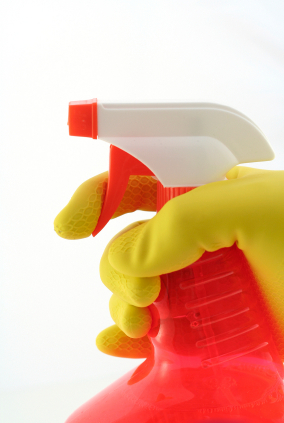
Your gym bag is an item you likely toss around in various places – your car, the change room, or even the floor of a public washroom – without giving it a second thought. Unfortunately, that means you’re increasing your risk of coming into contact with germs. Keep a bottle of disinfectant spray in your car or gym bag that you can use to spritz the bag’s surface before bringing it into the house.

Bring your own workout mat
When using a communal mat during yoga or barefoot workout routines, there is, once again, a risk of contracting a fungal infection. The best option is to bring your own yoga or workout mat and make sure to clean it regularly. If you’re going to use a mat provided by the gym, sanitize it with an antibacterial wipe or hand gel and place a clean towel on top of it. Alternatively, you can purchase non-slip socks or shoes specifically designed for yoga so you don’t have to work out with bare feet.

Keep your distance
Crowded fitness classes make it easy to inhale germs – particularly influenza. As a method of defence, you might want to consider getting the flu shot. You can also try to keep a reasonable distance (for example, two arm lengths) between yourself and anyone with a cough, as they are likely contagious. When heading for the cardio equipment during non-peak periods, choose a machine that’s not right beside someone else.

Wash your hands regularly
Wash your hands thoroughly with soap and water, or use an antibacterial hand gel before and after class. Regular hand washing is a habit worth developing year-round, but particularly important during flu season. Doing so prevents you from bringing germs into the gym, or leaving the gym with germs you may have come in contact with there.

Avoid touching your face
From using free weights to touching the buttons on the cardio machines, your hands are likely the part of your body that have been in contact with germs the most during your gym workout. Try not to touch your face, since germs you come in contact with can wind up in the openings of your nose, ears and mouth. Make sure to have a clean towel with you so you can wipe sweat away from your face without having to use your bare hands.  
Source: Best Health Mag

Use mobile air cleaners to remove bacteria, viruses and smells
A portable air purifier with a deep-bed activated carbon filter and a HEPA filter, plus UV germicidal filtration will provide the best all-around protection from germs, airborne chemicals, allergens and other contaminants. The air cleaners offered by Electrocorp are designed for 24/7-operation at a low setting, cleaning the air continuously and efficiently. For best results, consult with one of Electrocorp's IAQ specialists to find out which air purifier is best suited to your space. Call 1-866-667-0297.

Wednesday, November 27, 2013

Hospital health threat: Experts warn of post-anitbiotics era

Doctors issue new warning of devastating effect of over-prescribing antibiotics for trivial ailments

Hospital stays could become
too risky for many patients.
Routine operations could become deadly "in the very near future" as bacteria evolve to resist the drugs we use to combat them. This process could erase a century of medical advances, say government doctors in a special editorial in The Lancet health journal.

Although the looming threat of antibiotic, or anti-microbial, resistance has been known about for years, the new warning reflects growing concern that the NHS and other national health systems, already under pressure from ageing populations, will struggle to cope with the rising cost of caring for people in the "post-antibiotic era".

In a stark reflection of the seriousness of the threat, England's deputy chief medical officer, Professor John Watson, said: "I am concerned that in 20 years, if I go into hospital for a hip replacement, I could get an infection leading to major complications and possible death, simply because antibiotics no longer work as they do now."

About 35 million antibiotics are prescribed by GPs in England every year. The more the drugs circulate, the more bacteria are able to evolve to resist them.

In the past, drug development kept pace with evolving microbes, with a constant production line of new classes of antibiotics. But the drugs have ceased to be profitable and a new class has not been created since 1987.

Writing in The Lancet, experts, including England's chief medical officer, Dame Sally Davies, warn that death rates from bacterial infections "might return to those of the early 20th century". They write: "Rarely has modern medicine faced such a grave threat. Without antibiotics, treatments from minor surgery to major transplants could become impossible, and health-care costs are likely to spiral as we resort to newer, more expensive antibiotics and sustain longer hospital admissions."

Strategies to combat the rise in resistance include cutting the amount of antibiotics prescribed, improving hospital hygiene and incentivising the pharmaceutical industry to work on novel antibiotics and antibiotic alternatives.

Doctors pressured by patients to prescribe antibiotics

However, a leading GP told The Independent on Sunday that the time had come for the general public to take responsibility. "The change needs to come in patient expectation. We need public education: that not every ill needs a pill," said Dr Peter Swinyard, chairman of the Family Doctor Association.

"We try hard not to prescribe, but it's difficult in practice. The patient will be dissatisfied with your consultation, and is likely to vote with their feet, register somewhere else or go to the walk-in centre and get antibiotics from the nurse.

"But if we go into a post-antibiotic phase, we may find that people with pneumonia will not be treatable with an antibiotic, and will die, whereas at the moment they would live.

"People need to realise the link. If you treat little Johnny's ear infection with antibiotics, his mummy may end up dying of pneumonia. It's stark and it's, of course, not direct, but on a population-wide level, that's the kind of link we're talking about."


There are no reliable estimates of what resistance could cost health systems in the future, but the European Centre for Disease Prevention and Control believes that €1.5bn (£1.2bn) a year is already being spent on health problems associated with antibiotic resistance in Europe.

Joanna Coast, professor of health economics at the University of Birmingham, said that the problem of resistance had the potential to "affect how entire health systems work".

Antibiotic resistance may be costly

Professor Coast added: "We don't know how big this is going to be. It's like the problems with planning for global warming. We know what the costs are now but we don't know what the costs will be into the future.

"Much of what we do in modern health system relies on us having antibiotics. We need them for prophylaxis for surgery, for people having chemotherapy for cancer. The worry is that it might make big changes to how we run our health system."

Antibiotics are also used in vast quantities in agriculture, fisheries and by vets, the resulting environmental exposure adding to bacterial resistance, with further consequences for human health.

Experts say that to meet demand without increasing resistance, drug companies will need to find new ways of financing antibiotic development that are not linked to expectations of large volume sales. Global health authorities such as the World Health Organisation have also warned that global drives to reduce antibiotic use must not harm access to life-saving drugs in poorer countries.

Writing in The Lancet, Professor Otto Cars of Uppsala University in Sweden, and one of the world's leading experts on antibiotic resistance, said: "Antibiotic resistance is a complex ecological problem which doesn't just affect people, but is also intimately connected with agriculture and the environment.

"We need to move on from 'blaming and shaming' among the many stakeholders who have all contributed to the problem, towards concrete political action and commitment to address this threat."


Clinics and hospitals benefit from cleaner air

Airborne bacteria, viruses are not the only threat in healthcare indoor environments - patients and staff are also breathing volatile organic compounds (VOCs), mold spores, particles and odors, among others.

Risks can be greatly reduced with source control, ventilation and air cleaning.

Electrocorp has designed versatile air cleaners for hospitals and healthcare facilities that feature activated carbon, HEPA and UV germicidal air filters, offering one of the most extensive around-the-clock air cleaning systems.

Recommended air cleaners include Electrocorp's RAP series as well as the I-6500 series.

Contact Electrocorp for more information.

Thursday, October 10, 2013

Hotel rooms can make you sick

A hotel room may look clean, but the reality is the stuff of nightmares.

The Healthy Hotels Program, which provides hotels in Australia and New Zealand with certification of their health and hygiene standards, has compiled some facts to find out just how much hotels can affect health.

In the guest room, door handles, swipe keys, carpet, glasses, light switches, remotes, key board, furniture, bedding, curtains, taps and fittings, the toilet, shower, ice bucket, refrigerator, chair, bed and pillows each present a potential for transmission.
Poor indoor air quality in hotel rooms
can impact visitors' health.

The desk in a hotel room will be home to 400 times more bacteria than the toilet, the reason being that most toilets are disinfected, while furniture typically is not.

Equally one of the greatest potential threats to health in the guest room is the air we breathe.

The resting adult will inhale between 10,000 to 20,000 litres of air per day including sleeping time, where the face and mouth are pressed directly onto the pillow.

Air can be home to any number of micro-contaminants, including mold spores, fine dust, pollen and volatile organic compounds (VOCs). Some of the most dangerous airborne pollutants, which are also the easiest to avoid, are air fresheners, pesticides and many conventional cleaning products.

The most common VOC sources in the guest room are cleaning chemical residue and the byproduct of a process called ‘off-gassing’. Typical of newer building materials such as fresh carpets or furniture, gases from the glues, sealants and coloring agents can leech into the air for a period of time, often being mistaken for that fresh new carpet smell.

Any substance which is not considered toxic to the touch must be considered completely differently if inhaled. Only 30 per cent of contaminants inhaled are ever exhaled, the remainder are broken down by the body, usually within the liver.

There’s no avoiding the fact that any indoor environment which is home to human activity will ultimately be contaminated with the presence of human proteins, body fluids, bacteria and most likely the presence of mold and dust mites.

The average hotel bed will be home to more than 1370 people over a five-year period. We shed up to 3.6 kilograms of skin each year and an average bed can contain anywhere from 100,000 to 2,000,000 dust mites.

The Ohio State University entomology department says the weight of a two-year-old pillow can be comprised of up to 10 per cent dust mites and their excrement.

In addition, carpets and beds which are not regularly or correctly sanitized have been found to contain high concentrations of mold spores and bacteria such as Escherichia coli (E. coli).

To add to the equation, when examined with black light most hotel room bed heads or head walls have been found to show evidence of human proteins.

A smell indicates poor indoor air quality -
but some dangers aren't easy to identify.
While it’s the ‘germ statistics’ that form the common rhetoric and always have, guests and hoteliers alike deserve to know the difference between the ‘gross factor’ and the elements which are more likely to cause potentially serious health concerns.

It’s unrealistic for any guest room not to show evidence of human habitation, however the presence of VOCs such as certain mold spores and chemical compounds within the air and furnishings should be taken far more seriously due to the demonstrated health implications they can represent from both short and long term exposure.

Certain species of mold represent arguably the greatest and most common threat to respiratory health in any guest room. Although the number is improving, comparatively few accommodation operators sanitize their beds and carpets correctly if at all, making these areas a haven for basic allergens and bacteria, through to potentially dangerous VOCs.

How to minimize risks in hotel rooms


If you’re a guest, there are several things you can do to have confidence before your stay:

  • Ask about sanitizing practice before booking. Are the beds, pillows and carpets sanitized and if so, is it with a low moisture process or with steam which is counter-productive?
  • Ask if housekeeping typically use bleach-based products or are there other safer alternatives in place such as vinegar or cloth cleaning?
  • Ask if the property has their air quality measured regularly.
  • Take your own pillow, have it either professionally sanitized or at the very least, vacuum it and leave it in direct sunlight for an hour.
  • Ask if there’s an independent health certification in place.

During your stay:
  • Open the windows if possible — fresh air is best.
  • Wash hands regularly and avoid touching the nose, eyes or mouth unnecessarily.
  • Wipe down items and switches with a disinfecting wipe.
  • Take your own drinking water or boil the water and let it stand for a while.
  • Turn off and unplug unnecessary devices, particularly before bed.
  • Stay hydrated and be mindful to consume foods (preferably raw) with antioxidants such as most berries, prunes, apples and green tea.
  • Avoid bright lights and device screens an hour before bed
Editor's note: This article has been edited for length. 

Worried about air quality in your travel establishment? Electrocorp can help improve the indoor air quality in hotel rooms, conference rooms, reception halls, dining rooms and other areas with long-lasting air cleaners for hotels and the hospitality industry. For travelers, there are some smaller air purifiers available. Contact Electrocorp for more information.
Monday, July 16, 2012

The benefits of greener hospital ORs

Operating rooms produce large amounts of waste,
researchers say.
Researchers say that greener operating rooms can not only save hospitals money, but they can also reduce the environmental impact, while offering the same patient care.

Traditionally, operating rooms in hospitals have produced large amounts of waste and were responsible for 20-33% of all waste in hospitals.

Figures from 2007 showed that US health care facilities contributed 8% of total greenhouse gas emissions and produced more than 4 billion pounds of waste. Canadian hospitals were also huge energy consumers, using the energy of 440,000 homes.

The high levels of waste come from a need for sterility, the scientists say, but there are certain ways operating rooms can become greener:

  • Waste separation: The waste should be divided into normal waste and biohazard or medical waste
  • Liquid waste discharge: Installing a closed collection system into sanitary sewers would reduce the amount of waste needing high-energy treatment
  • The right technology: Smart monitors can reduce energy use when the ORs are not being used.
  • Advocating greener packaging: Plastic packaging is a major contributor to waste.
  • Making donations: Giving unused equipment away to developing countries is a great way to be greener and less wasteful.
  • Reusing devices: It is better to find alternatives to single-use devices.
  • Involve the staff: Greening activities can be coordinated by staff team members.

The analysis was published in the Canadian Medical Association Journal CMAJ.

Source: Canadian Medical Association Journal

Greener hospitals, better indoor air quality

Making hospitals and operating rooms a greener place not only helps the environment and hospital budgets, it can also be beneficial for patients – especially insofar as indoor air quality is concerned.

The air in many hospitals is polluted; apart from the obvious culprits like bacteria and viruses, there can be mold spores, chemicals, gases, odors, dust and particles, which can all have an impact on the health and well-being on patients and staff.

Electrocorp has developed a wide range of air cleaners for hospitals and healthcare settings that can tackle these types of indoor air contaminants and help provide cleaner and healthier air.

The air cleaners feature a multistage filtration system with a medical-grade HEPA filter, a deep-bed activated carbon filter for odors, chemicals and fumes and an optional UV lamp for additional protection from pathogens.

They can easily be moved from room to room, or they can be attached to existing HVAC systems or mounted on the walls or ceiling.

Contact Electrocorp for more information and options. Become a follower on our blog to get the latest industry and commercial news on indoor air quality concerns and solutions.
  

Friday, June 22, 2012

Bacteria and other contaminants in hotel rooms

Hotel rooms can be full of
bacteria and other pollutants.
No matter how diligent hotels are with their cleaning regimen – the lack of cleaning standards and other factors allow many surfaces to be contaminated, researchers say.

Scientists from the University of Houston examined surfaces of hotel rooms and found television remotes to be the most contaminated with bacteria. Also, items on the housekeeping cart can potentially lead to cross-contamination between rooms, they say.

Most hotels and guests judge a room’s cleanliness by how clean it looks, but this is an ineffective method of measuring levels of sanitation.

Contaminated surfaces can spread infections during outbreaks in hotels, and immunocompromised individuals may be specifically at risk, the researchers warn.

As expected, other highly contaminated surfaces included the toilet and bathroom sink as well as the bedside lamp switch.

Source: The American Society for Microbiology

Other pollutants in hotel rooms

Mold - Typical causes for mold in hotels are deficient air conditioning systems and air and water leaks in the building walls. Most hotel rooms have little fresh air exchange and let mold and bacteria thrive in an environment of vinyl wall paper and shower steam.

Pesticides – It may be bed bugs or other insects or pests thathave invaded a hotel – but the use of pesticides can be quite dangerous to hotel guests as well, since they often contain toxic chemicals.

Chemicals – Building materials, furniture, textiles, carpets and other substances in hotel rooms may off-gas chemicals and volatile organic compounds that can be irritants and known health hazards. Other chemical pollutants come from cleaning products and personal care products as well as air fresheners.

Allergens - The hotel's mattress, pillow, rug, drapery and upholstered furniture can all easily collect dust, mites and bodily secretions — all of which can cause reactions in allergy sufferers.

Tobacco smoke – Smoking is banned in many hotels, but certain rooms may be designated as smoke rooms (and certain guests may light up, anyway). Stale tobacco smoke is difficult to eradicate and can leave behind harmful chemicals and toxins.

Air cleaners for hotels
Air cleaners for hypoallergenic
hotel rooms, odor control,
mold control and more.

Using non-toxic materials and products whenever possible, implementing a strict cleaning regimen and making sure there is adequate ventilation can all help to improve indoor air quality in hotels – but the right air cleaner will provide cleaner and healthier air around the clock.

The best air cleaners for hotels feature a combination of activated carbon, HEPA and a UV lamps to remove odors, chemicals, gases, particles, dust, mold spores, bacteria and viruses from the air. They should be easy to use, quiet and equipped with long-lasting filters.

Contact Electrocorp for more information and the best air cleaners for your hotel, motel, inn or hospitality business.
  

Wednesday, June 6, 2012

Men’s offices worse than women’s for workplace bacteria

Men's phones and chairs feature the
highest levels of bacteria: researchers.
All things are not equal when it comes to the bacteria in the office – men’s office spaces (especially their chair and phone) have a much higher bacteria count than women’s, a new study shows.

Researchers couldn’t find a significant difference in the office bacterial communities of New York and San Francisco, but in both cases, men’s offices had higher bacteria counts.

There are a lot of different bacteria present in our indoor environments, the researchers say. They identified more than 500 bacterial genera in offices in three cities.

They say most bacteria come from human skin or the nasal, oral or intestinal cavities.

Other bacteria may be brought in from soils and other sources.

While most workers may instinctively name their desktop, keyboard and mouse as bacteria-harboring devices, the researchers found the highest abundance of bacteria on chairs and phones.

The study appears in the open access journal PLoS ONE. It was funded by university grants as well as commercial sources (Clorox Corporation).

Source: Public Library of Science

Air cleaners for bacteria, viruses, mold and other pollutants

Workers are spending so much time indoors that poor indoor air quality has become a serious concern for companies and healthcare professionals.

The air in offices and other commercial and industrial workplaces can be contaminated with bacteria, viruses, molds, particles, dust, chemicals, gases, odors and fumes.

Existing ventilation systems may not be enough to provide adequate fresh air exchanges.

Electrocorp has developed portable yet extremely powerful air cleaners for industrial and commercial applications that can tackle the indoor air concerns mentioned above.

The air cleaners feature an efficient activated carbon + HEPA filter combination as well as optional UV germicidal filtration, which helps neutralize biological contaminants such as bacteria, viruses and mold.

Browse Electrocorp’s air cleaners for offices, office printers, facility management and more, or contact an IAQ specialist from Electrocorp for more information and suggestions.

Friday, December 23, 2011

Researchers develop new cleaning technique for hospital rooms

Disinfection system a cost-cutting tool for health care and hospitality industries
Hospital-acquired diseases
are preventable: Experts

Infectious diseases acquired during a hospital stay cost 100,000 people their lives each year – a number that is entirely preventable, researchers say.

A Queen’s University infectious disease expert and others have developed a new disinfection system that can be used to clean hospital rooms as well as bed-bug infested hotel rooms.

The new technology pumps a specific ozone and hydrogen peroxide vapor gas mixture into a room to sterilize all surfaces, including floors, walls, drapes, mattresses, chairs etc.

The technique takes its cue from natural human responses:  If an antibody attacks a germ, it generates ozone and a tiny amount of hydrogen peroxide for a new compound that neutralizes bacteria, viruses and mold.

Study results on the process are published in the December issue of the American Journal of Infection Control.

The technique will be commercialized and is expected to be ready for sale in 2012.

Source: Queen’s University

Air cleaning for hospitals and hotels
I-6500 air cleaner for hospitals,
hotels and other applications.

For the times between sterilization processes, hospitals and hotels can help keep the air clean and healthier with stand-alone air filtration systems.

Electrocorp has developed complete industrial-strength air cleaners with deep-bed activated carbon filters and HEPA as well as UV to remove the widest range of indoor air pollutants, including chemicals, gases, odors, particles, dust, bacteria, viruses and mold.

Find out more about air cleaners for hospitals and healthcare plus air cleaners for the hospitality industry.

For more information, contact Electrocorp at 866-667-0297.